What are the causes of cage fracture in deep groove ball bearings?
Cage fracture will lead to total failure of the bearing, potentially causing damage to rolling elements, seizure, and even equipment jamming or serious accidents. Specific consequences include increased bearing noise, vibration and heat generation, jamming of rolling elements, and ultimately equipment breakdown due to friction or foreign object jamming.
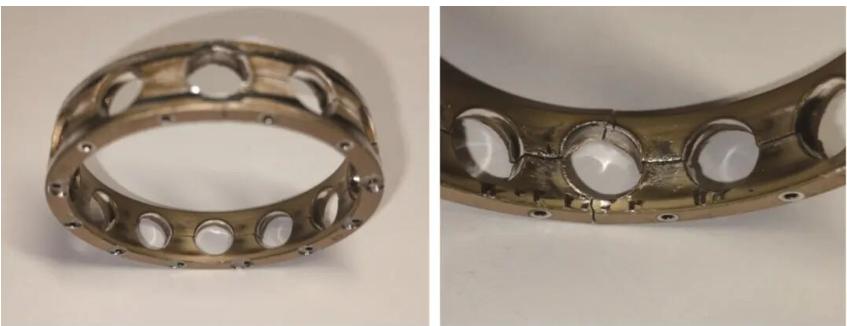
Common causes of cage fracture in deep groove ball bearings:
1.Insufficient lubrication or use of inappropriate lubricants will exacerbate wear, and the generated wear debris may get trapped in the cage.
2.Ingress of external contaminants such as dust and moisture into the bearing will accelerate wear and create abnormal loads between the cage and rolling elements.
3.Installation issues such as misalignment, excessive interference fit, or insufficient rigidity of the bearing housing will reduce bearing internal clearance, generating excessive heat and wear, which may eventually lead to cage jamming or fracture.
4.Exceeding the bearing's designed maximum load or rotational speed will subject the cage to excessive inertial forces, resulting in fatigue fracture.
5.The cage itself may have manufacturing defects such as cracks, pores, or metal inclusions, or be caused by poor riveting.
6.Severe external vibration or impact loads will directly impact the cage, leading to its fatigue or damage.